
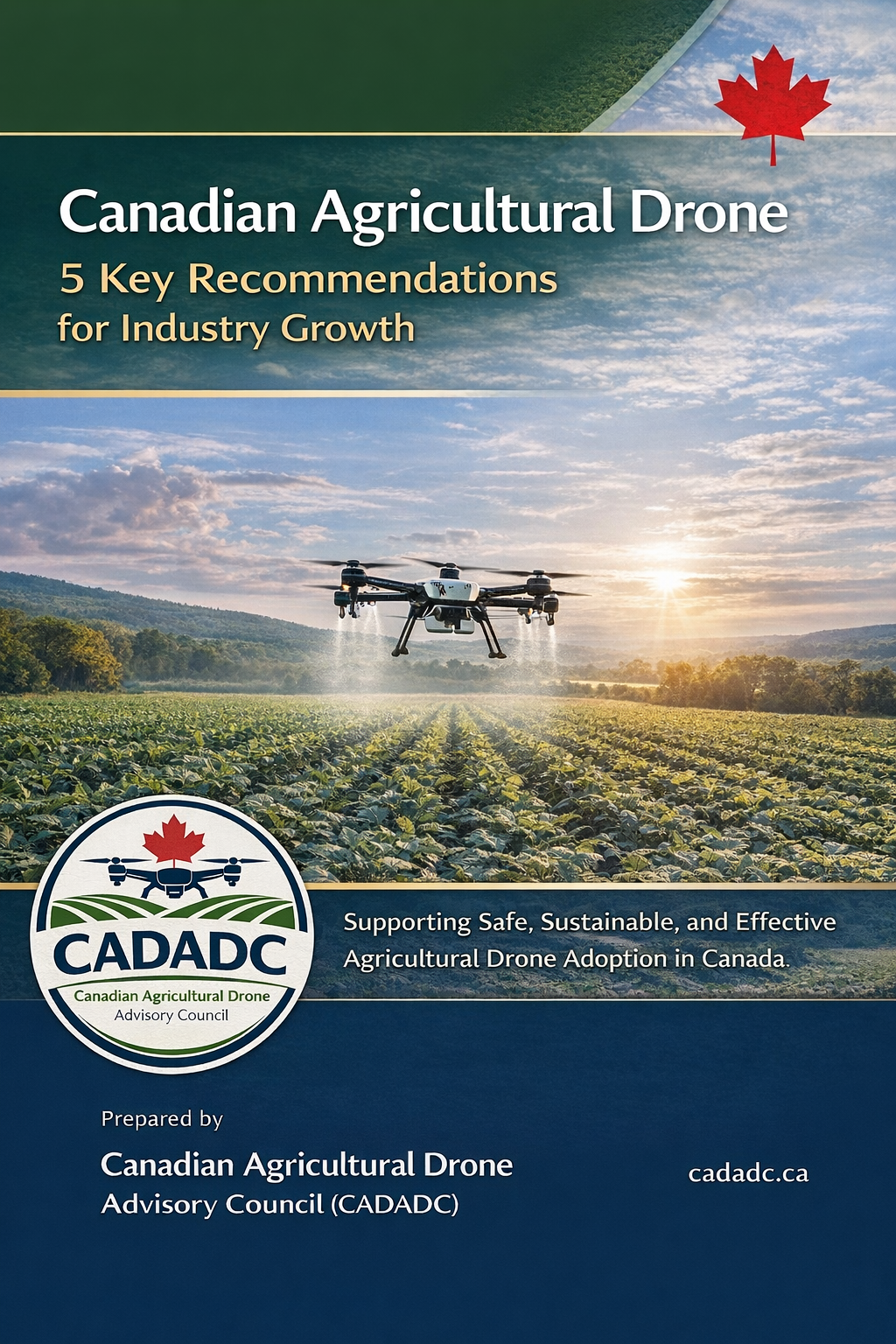
The continued development of the agricultural drone sector in Canada will require collaboration between industry participants, researchers, and regulatory authorities. Based on current industry trends and international experience, several areas may benefit from further attention and development.
1. Support Regulatory Clarity for Agricultural Drone Operations
Clear and practical regulatory frameworks are essential for the safe adoption of drone technology in agriculture.
Regulatory agencies may consider working with industry stakeholders to evaluate agricultural drone operations and provide guidance that supports both safety and innovation.
Areas that may benefit from further discussion include:
- operational requirements for agricultural drone spraying
- airspace access for rural agricultural operations
- safety standards for agricultural drone operators
Continued dialogue between regulators and industry participants can help ensure that regulations evolve alongside technological advancements.
2. Encourage Research and Field Trials
Independent research will play an important role in evaluating the effectiveness and safety of agricultural drone applications.
Collaboration between universities, agricultural research organizations, and industry participants may help generate valuable data related to:
- spray coverage and application efficiency
- environmental impact
- crop protection effectiveness
Research programs and field trials can provide evidence-based insights that support informed decision-making for both farmers and regulators.
3. Promote Industry Best Practices
As the agricultural drone industry grows, the development of best practice guidelines can help ensure safe and responsible operations.
Industry organizations, research institutions, and operators may collaborate to develop guidance related to:
- spray calibration procedures
- environmental protection practices
- operator training standards
- operational safety protocols
The adoption of widely recognized best practices can support industry credibility and responsible technology adoption.
4. Support Training and Knowledge Sharing
Agricultural drone technology combines elements of aviation, agronomy, and precision agriculture.
Training programs and knowledge-sharing initiatives may help ensure that operators have the skills necessary to conduct safe and effective drone operations.
Areas of focus may include:
- safe drone flight operations
- crop protection application techniques
- equipment maintenance and calibration
- data interpretation and farm management integration
Industry workshops, training programs, and demonstration events can help accelerate learning across the agricultural community.
5. Encourage Collaboration Across the Agricultural Ecosystem
The successful development of the agricultural drone industry will require collaboration between multiple stakeholders, including:
- farmers
- drone operators
- agronomists
- researchers
- technology developers
- regulatory agencies
Organizations such as the Canadian Agricultural Drone Advisory Council (CADADC) can play a role in facilitating dialogue and knowledge exchange among these groups.
Through collaboration, the agricultural drone sector in Canada can develop in a way that supports innovation while maintaining high standards of safety and environmental responsibility.
Prepared by
can you buy disulfiram over the counter Canadian Agricultural Drone Advisory Council (CADADC)
cadadc.ca